

Monthly Highlights of Research Activities: March 20 is the International Day of Happiness
2026.03.18





Updates from JICA Ogata Research Institute on the latest events, publications and more.
RegistrationHow to Find Us


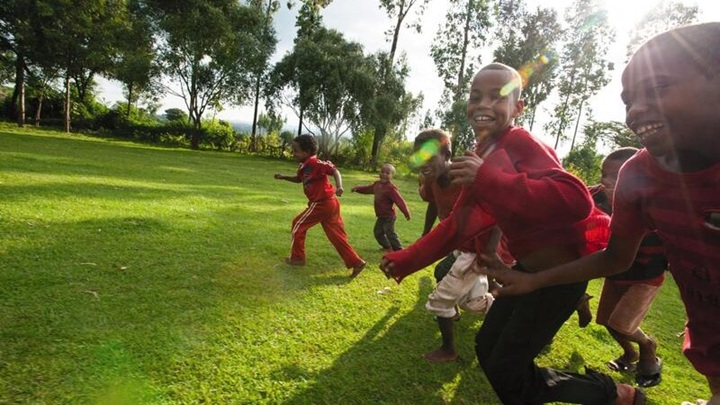
Photo: JICA / Kenshiro Imamura
March 20 is the International Day of Happiness , designated by the United Nations to recognize happiness as a universal human goal and to encourage the creation of inclusive and equitable societies that promote the happiness and well‑being of all.
This idea is closely linked to the promotion of the Sustainable Development Goals (SDGs), which aim to build a sustainable society where no one is left behind. In recent years, there has been growing global recognition that the scale of economic growth—measured solely by GDP—cannot fully capture the richness of a society. As a result, discussions on “Beyond GDP” have expanded worldwide, drawing attention to frameworks that emphasize people’s well‑being, the environment, and the quality of society.
At JICA, efforts have begun to incorporate new evaluation perspectives that better capture people’s well-being.
These values align closely with the principles of the JICA Ogata Research Institute, which places great importance on human security—protecting the lives, livelihoods, and dignity of every individual. Below, we introduce some of the Institute’s initiatives that relate to people’s happiness and well-being.
The long-standing over-emphasis on economic growth as measured by GDP has distorted our assessment of sustainable development in an era marked by climate change, widening inequalities and environmental degradation. Csaba Kőrösi
, a Hungarian diplomat who served as President of the 77th United Nations General Assembly, talks about the origins, challenges and future of the “Beyond GDP” agenda.
This research investigates the association between family, health, and job satisfaction, and happiness in Thailand. The analysis results indicate that all three types of satisfaction have positive effects on happiness, while gender has little influence as a moderator in Thailand.
In order to examine how socio-economic status might undermine cultural happiness shared among East Asian cultural members, the concept of interdependent happiness - harmony with others, quiescence, and ordinariness - was measured using representative adults from Thailand living in both rural and urban areas. While objective socio-economic status showed negative correlation with the interdependent happiness, it showed a negligible correlation with general happiness.
This paper examines the impact of infrastructure on the level of human well-being by analyzing long-term panel data (1960–2020) on the newly constructed Human Development Index (HDI) for each prefecture in Japan. The analysis shows that infrastructure generally has a positive impact on HDI.
Learn more: Research on the applicability of Japan’s infrastructure development experience to developing countries
By looking at human security from the perspective of individuals’ perceptions of security/insecurity―i.e., their sense of insecurity regarding the future―this article examines the possibilities of using human security as an analytical concept.
What impact does conflict have on children? Is there a relationship between land tenure security and structural transformation? Research Fellow Solomon Haddis Teklehaymanot introduces his research projects that aims to answer these critical questions facing Ethiopia.
Below is a blog authored by the same researcher, drawing on a survey conducted between June and July, 2025
Learn more: Impact of Conflict and Drought on Child Wellbeing and Educational Outcome in Tigray, Ethiopia
Sns share!



事業事前評価表(地球規模課題対応国際科学技術協力(SATREPS)).国際協力機構 地球環境部 . 防災第一チーム. 1.案件名.国 名: フィリピン共和国.
事業事前評価表(地球規模課題対応国際科学技術協力(SATREPS)).国際協力機構 地球環境部 . 防災第一チーム. 1.案件名.国 名: フィリピン共和国.
事業事前評価表(地球規模課題対応国際科学技術協力(SATREPS)).国際協力機構 地球環境部 . 防災第一チーム. 1.案件名.国 名: フィリピン共和国.
事業事前評価表(地球規模課題対応国際科学技術協力(SATREPS)).国際協力機構 地球環境部 . 防災第一チーム. 1.案件名.国 名: フィリピン共和国.
事業事前評価表(地球規模課題対応国際科学技術協力(SATREPS)).国際協力機構 地球環境部 . 防災第一チーム. 1.案件名.国 名: フィリピン共和国.


