

scroll


“School for All” Approach
1. What is the Community-Wide Collaboration Approach to Education Improvement?
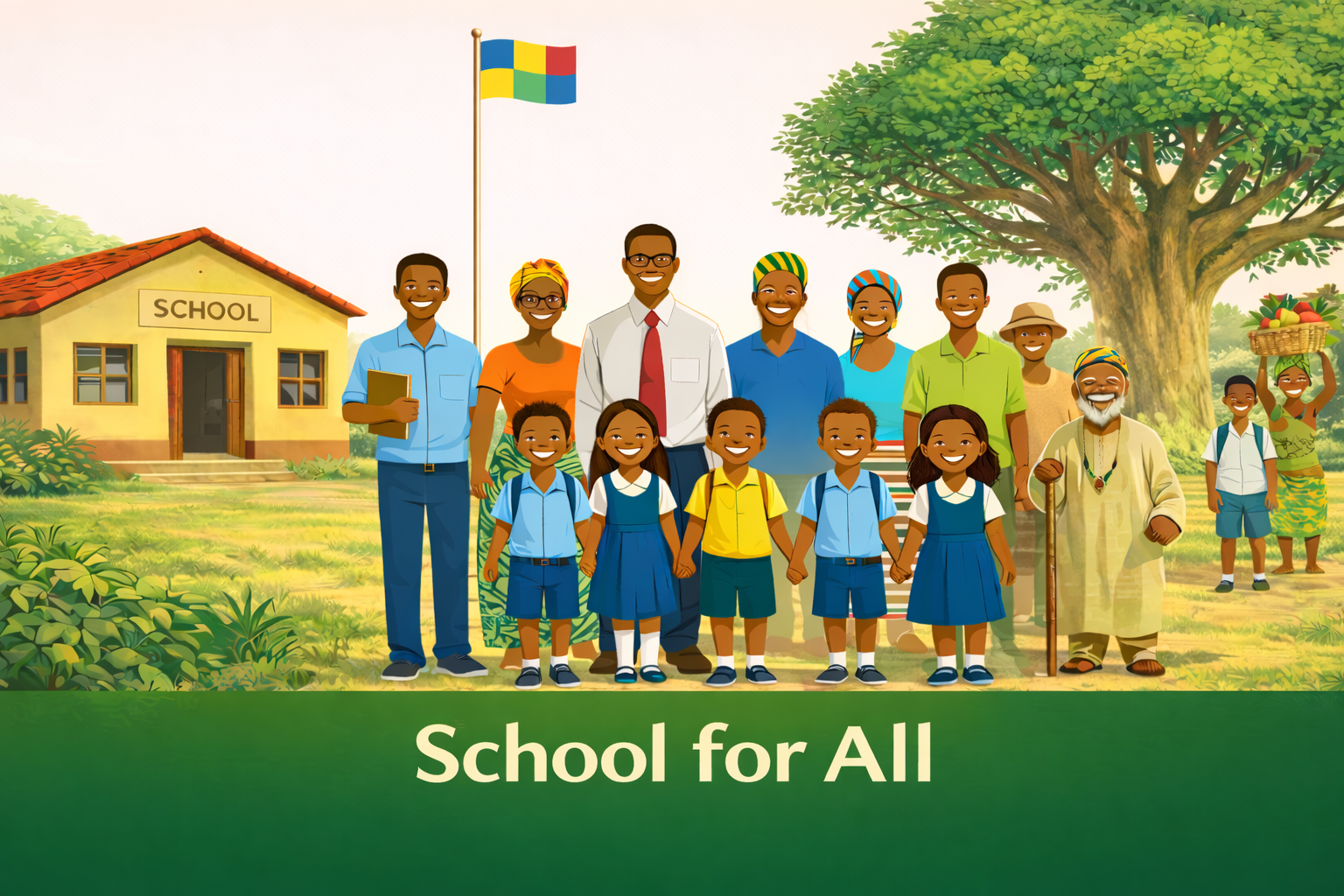
The community-wide collaboration approach to education improvement practiced in School for All projects is an initiative that aims to improve education across entire communities through the united efforts of parents, teachers, local community members, and government officials.
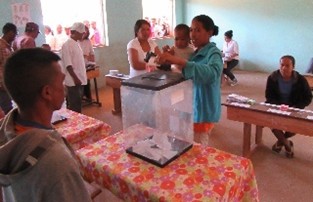
Adopted primarily in Sub-Saharan Africa, where poverty leaves many children without quality education, this approach aims to expand mechanisms through which schools and local communities work together to support school management as well as to enable more children to receive a better education. More specifically, local stakeholders form a School Management Committee (SMC) through a democratic process and develop, implement, and continuously review school action plans through General Assembly. This process strengthens school management to bring about improved learning environments, better learning outcomes, and more effective responses to local educational challenges.

2. Key Characteristics of the Approach
Educational Development Driven by “All”
Local stakeholders—teachers, parents, and local community members—collaborate to drive steady improvements in school management and learning environments.
Low-Cost and Sustainable
This approach can be fully implemented on a limited budget without relying on large-scale infrastructure investments or continuous external financing, allowing for gradual scale-up without compromising its effectiveness.
Responsive to Diverse Educational Needs
Challenges in children’s education stem from multiple factors, including those related to families, schools, and communities. The School for All approach empowers local people to identify practical solutions to these complex challenges and take action on their own.
3. Overview of the Approach
While many African nations mandate the establishment of SMCs, many of these committees were unable to function effectively. To solve this problem, the School for All Project developed a community-wide collaboration model for improving school management (commonly known as the “Foundational Model”), which encourages school-community collaboration to make SMCs fully functional.
JICA is also developing initiatives that use SMCs strengthened through the Foundational Model as a platform for delivering and implementing practical solutions to specific local educational challenges. Examples include learning improvement, peacebuilding, and community cohesion (collectively known as “Extended Models”).
In addition, building regional SMC networks is a core pillar of this approach to ensure that the positive outcomes of both Foundational and Extended Models are disseminated to other areas.
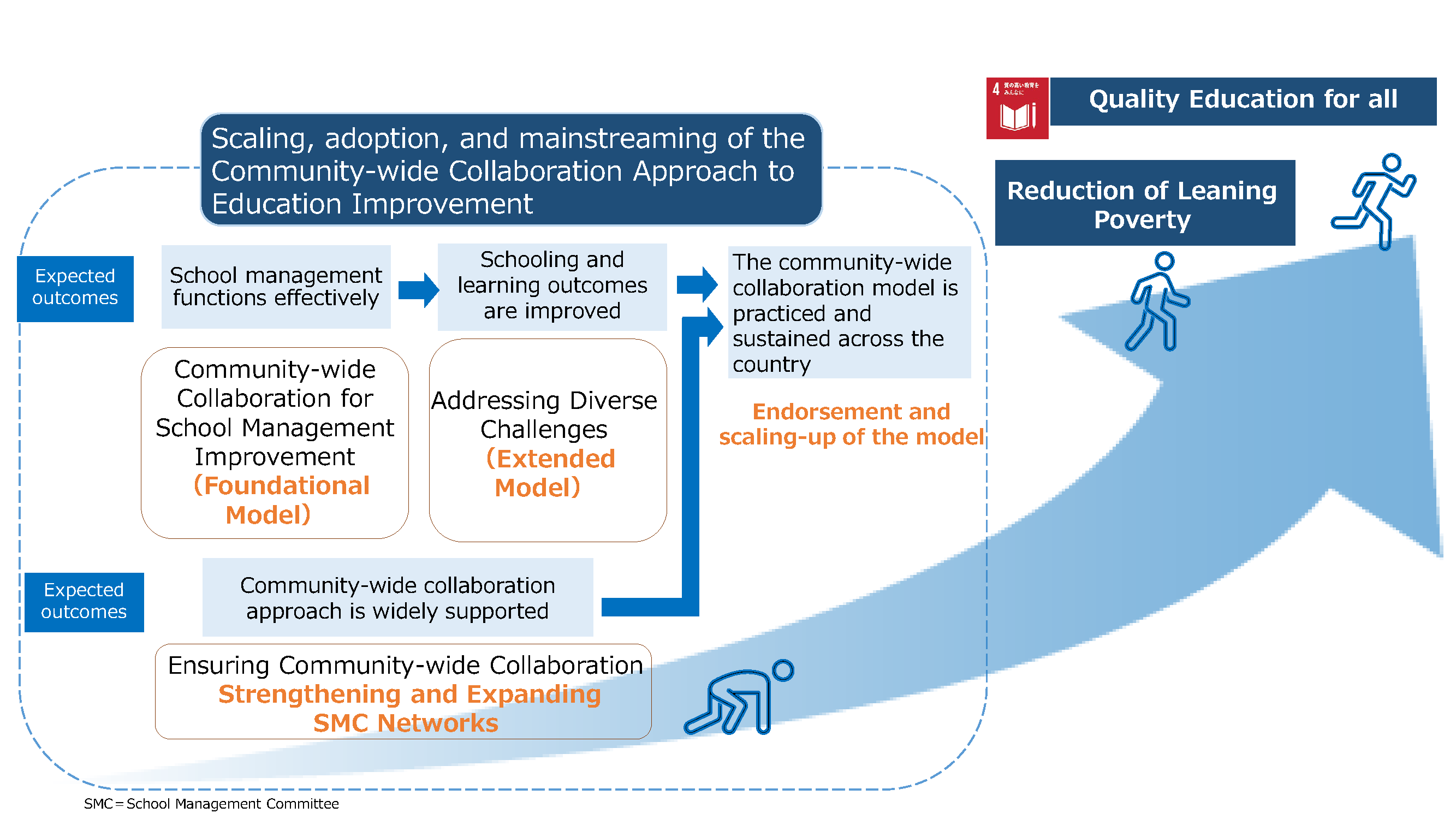
Figure: Overview of the Community-Wide Collaboration Approach to Education Improvement
Implementation Guide and Training Slides for introducing School for All Foundational and Extended Models
This package provides guidance for introducing the Foundational Model, which serves as the core foundation of the School for All approach, as well as the Foundational Learning Improvement Model under the Extended Model. Drawing on implementation experience across multiple countries and lessons learned from challenges and questions encountered in the field, it compiles practical procedures, key considerations, and frequently asked questions (FAQs). As the materials reflect a careful identification of the indispensable elements of the School for All approach, all contents included in the package should be comprehensively addressed to ensure successful implementation.
<Foundational Model>
- Implementation Guide: Establishing School management Committees (SMC) through Democratic Elections
- Training Slides: Establishing School management Committees (SMC) through Democratic Elections
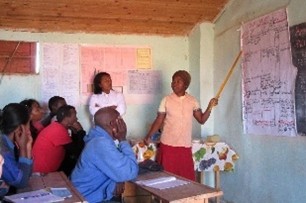
- Implementation Guide: Formulation, Implementation, Monitoring and Evaluation of School Action Plans
- Training Slides: Formulation, Implementation, Monitoring and Evaluation of School Action Plans
- Implementation Guide: Establishment and Operation of the School Management Committee Network
- Training Slides: Establishment and Operation of the School Management Committee Network
<Extended Model>
| Title | Implementation Guide (Available Languages) |
Training Slides (Available Languages) |
|
|---|---|---|---|
| Foundational Model |
Establishing School management Committees (SMC) through Democratic Elections |
Japanese(PDF/2.70MB)
English(PDF/2.57MB) French(PDF/2.58MB) |
English(PDF/292KB)
French(PDF/405KB) |
| Formulation, Implementation, Monitoring and Evaluation ofSchool Action Plans |
Japanese(PDF/4.60MB)
English(PDF/4.60MB) French(PDF/4.75MB) |
English(PDF/1.05MB)
French(PDF/1.56MB) |
|
| the Establishment and Operation of the School Management Committee Network (SMCN) |
Japanese(PDF/3.92MB)
English(PDF/3.91MB) French(PDF/3.90MB) |
English(PDF/399KB)
French(PDF/410KB) |
|
| Extended Model |
Foundational Learning Improvement Model (Remedial Lessons) |
Japanese(PDF/4.05MB)
English(PDF/3.98MB) French(PDF/4.15MB) |
English(PDF/683KB)
French(PDF/834KB) |
4. Scaling Up across Africa
Scaling Up “School for All” across Africa
In 2004, JICA launched the technical cooperation project “School for All” in Niger, a low-income country in Sub-Saharan Africa. The project successfully established a sustainable school management model through innovative measures that promoted community participation in school management and fostered local ownership of education. Officially endorsed by the government of Niger, the model was rolled out nationwide. Building on this success, JICA has scaled up projects adopting this community-wide collaboration approach to education improvement to other African nations, including Senegal, Mali, Burkina Faso, and Madagascar.
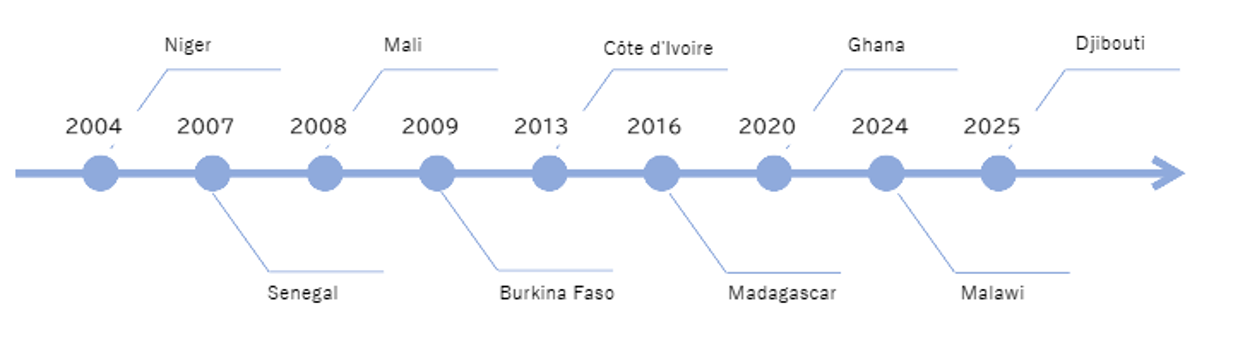
Figure: Scale-Up of School for All Projects across African Nations (years of launch)
Strategy for Mainstreaming “School for All”
Today, the “School for All” community-wide collaboration approach to education improvement reaches 11 African nations. As endeavors to promote community-based education improvement continue to expand in each country, horizontal collaboration among the participating countries has also grown stronger year by year, providing opportunities for them to learn from one another’s experiences.
While JICA has long promoted the sharing of knowledge and experience through regional training programs and other initiatives, JICA inaugurated the School for All Forum in 2025 to further strengthen regional networking and cooperation. The Forum brings together experts and counterparts from the participating countries and JICA staff to develop roadmaps and share good practices toward the common goal of reducing learning poverty. Through these efforts, JICA aims to systematically accumulate experiences and insights and share them across countries and regions.
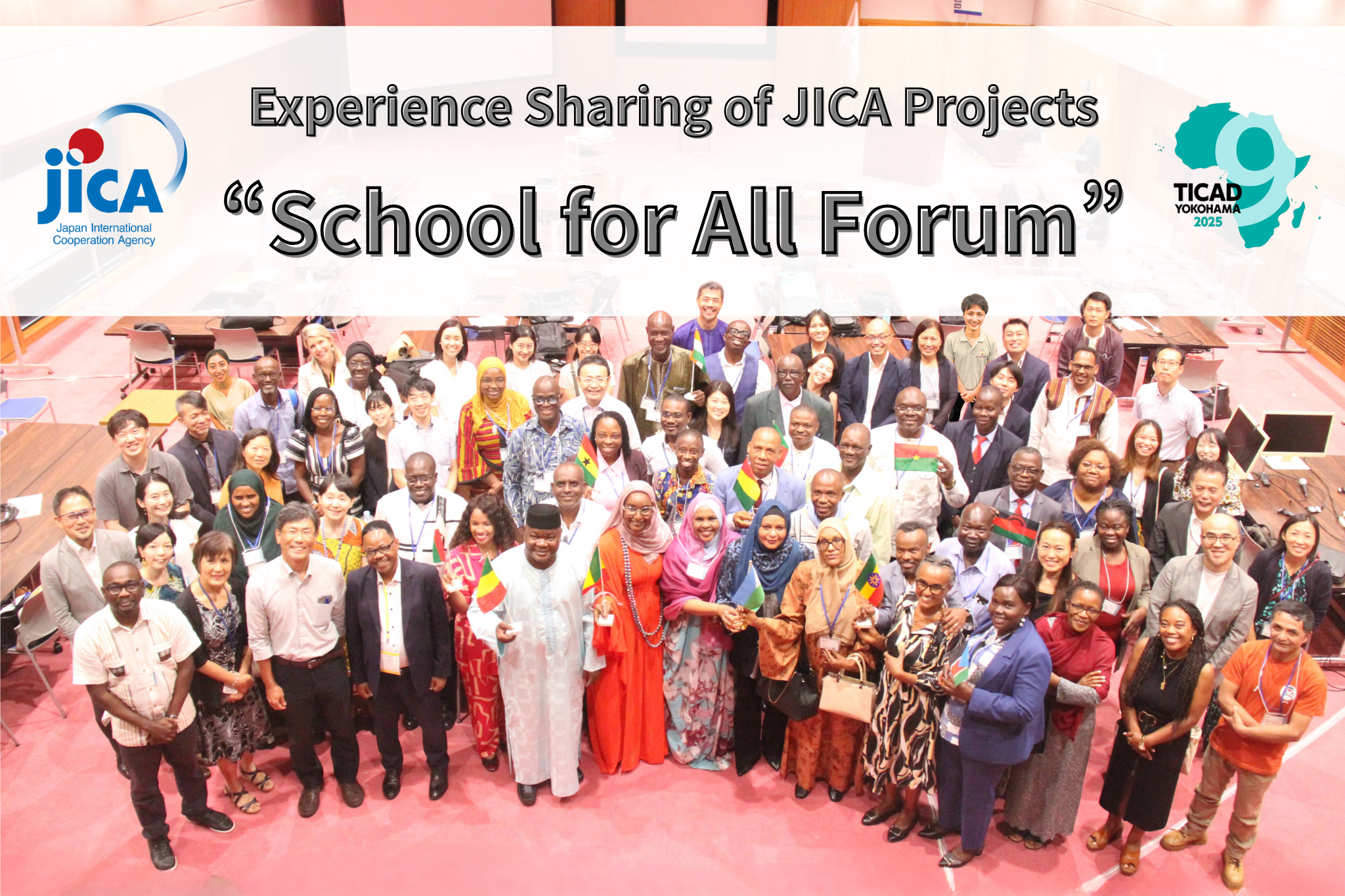
First School for All Forum (August 19 to 21, 2025)