

scroll


About “School for All”
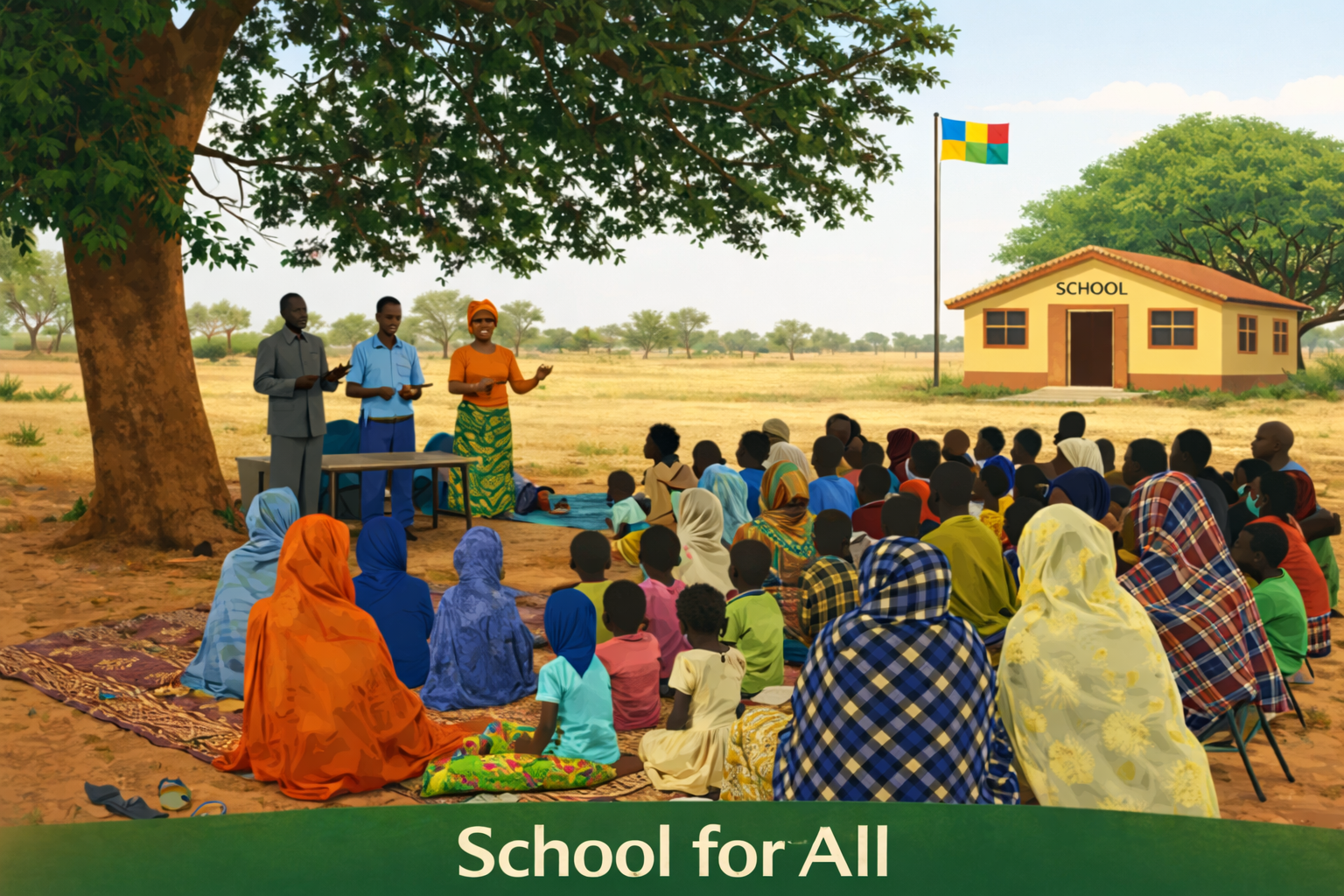
Globally, more than 260 million children and young people still lack access to education. Even among those enrolled, over 610 million children do not have minimum proficiency in literacy and numeracy. This has exacerbated the “learning crisis,” in which children reach adulthood without foundational academic skills. Meanwhile, educational disparities associated with poverty, gender, disability, ethnicity, language, and geographic location remain.
Against this backdrop, the community-wide collaboration project for education improvement—commonly known as the “School for All” Project—began in 2004 across 23 primary schools in Niger. This initiative introduced an approach where “all” stakeholders—parents, teachers, and local community members—form a School Management Committee (SMC) to improve education through community-wide efforts. Today, this approach has expanded to more than 75,000 primary and lower secondary schools across 10 African nations, improving learning environments and outcomes for millions of children.
About the “School for All” Approach
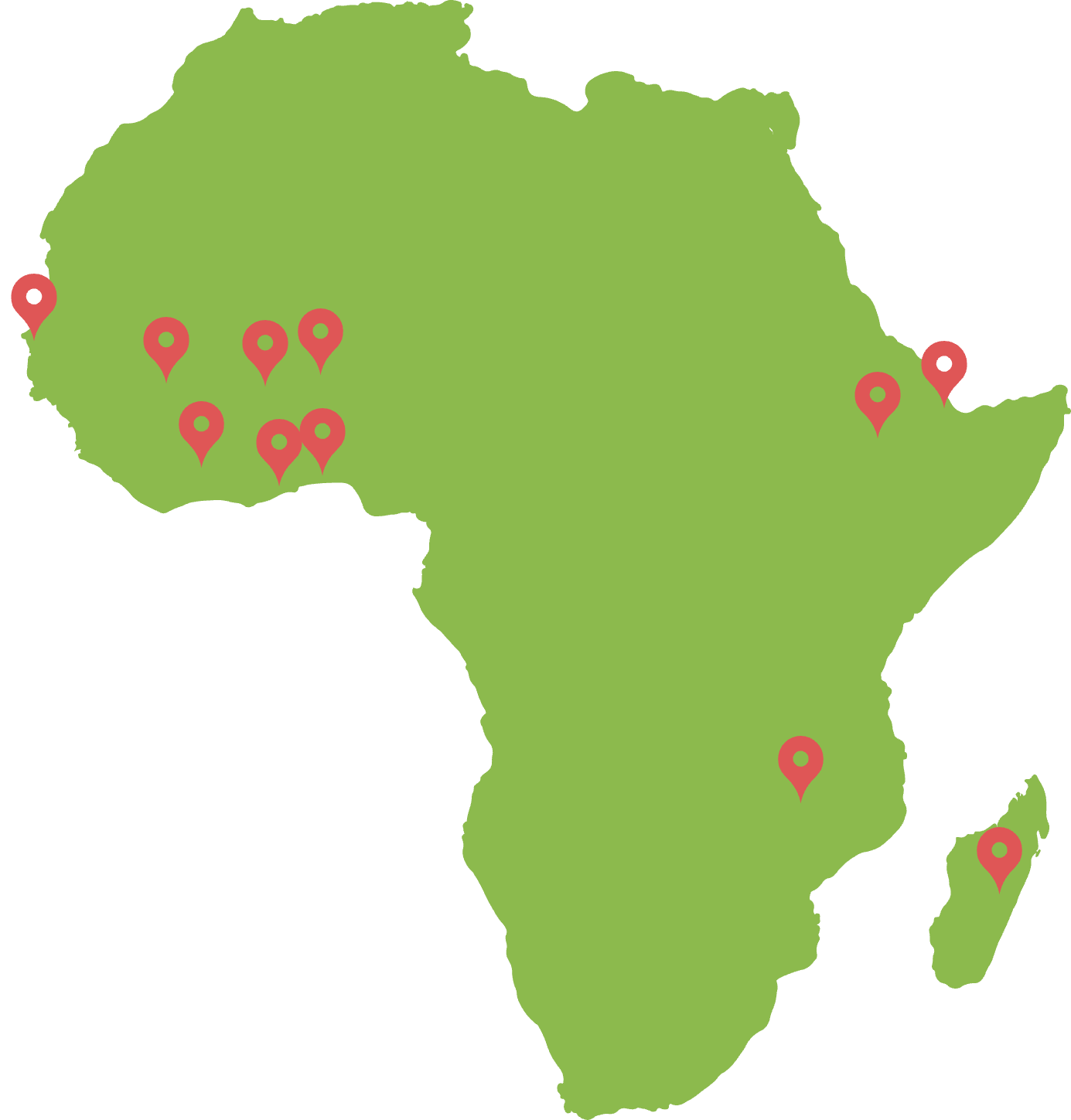
Countries adopting the community-wide collaboration approach to education improvement
Launched in Niger in 2004 and expanded to more than 75,000 schools across 11 African nations
1. Niger
- The Project on Support to the Improvement of School Management through Community Participation (Jan. 2004–Jul. 2007)
- The Project on Support to the Improvement of School Management through Community Participation (Phase 2) (Aug. 2007–Jan. 2012)
- School for All: The Project on Support to Educational Development through Community Participation (May 2012–May 2016)
- School for All: The Project on Support to Educational Development through Community Participation (Phase 2) (Dec. 2016–Apr. 2020)
- School for All: Project for Improvement in Basic Education Quality and Girl-Boy Parity through School-Community Collaboration (Jul. 2021–Jun. 2025)
2. Senegal
- Project on the Improvement of Educational Environment (May 2007–May 2010)
- Project on the Improvement of Educational Environment (Phase 2) (Sep. 2010–Aug. 2015)
- Project for Improving the Learning of Mathematics in Primary Education (Sep. 2015–Aug. 2019)
- Project for Improving the Learning of Mathematics in Primary Education (Phase 2) (Nov. 2020–Nov. 2025)
3. Mali
- Project for Supporting to School Management Committee (May 2008–Apr. 2011)
- Project for Supporting to School Management Committee (Phase 2) (Nov. 2011–Dec. 2022)
- Project for Improving Quality of Learning of Children through Community-Wide Collaboration (Jun. 2023–Feb. 2026)
4. Burkina Faso
5. Côte d'Ivoire
Although the School for All project itself has not been implemented, its core approaches have been incorporated into related projects.
6. Madagascar
7. Ghana
8. Malawi
- School for All Project (Apr. 2023–Mar. 2028)
9. Djibouti
- School for All Project (Jan. 2025–Jun. 2028)
10. Ethiopia
11. Benin
PR Materials and Educational Resources
A list of introductory videos for “School for All” and learning materials developed by School for All projects
Research and Evidence
Academic papers and working papers on the achievements and research findings of School for All projects
Contact Us
For general inquiries about School for All projects, please contact the following office:
Basic Education Group, Human Development Department, JICA
Email: hmgbe@jica.go.jp