

Engaging Great Powers: Smaller States’s Agency in the Belt and Road Initiative






Updates from JICA Ogata Research Institute on the latest events, publications and more.
RegistrationHow to Find Us


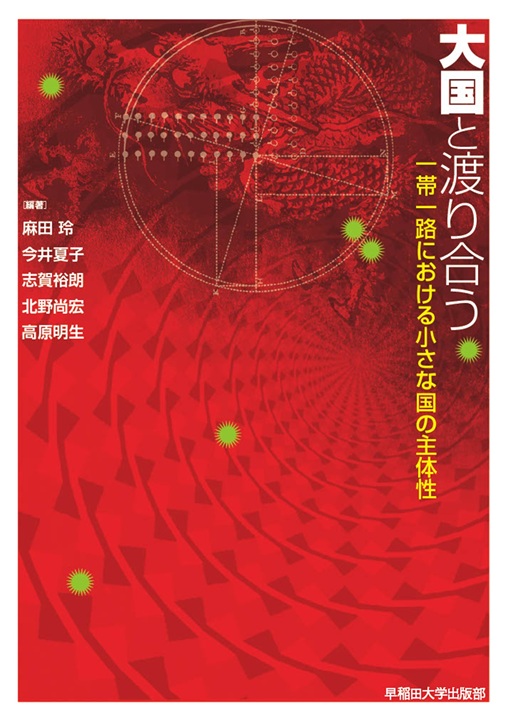
This book is a meticulously edited collection of 11 papers originally published in English in The Journal of Contemporary East Asia Studies, Volume 12, Issue 1. It presents the key findings of the research project, “The New Dynamics of Peace and Development in the Indo-Pacific: How Countries in the Region Proactively Interact with China.”
As the global order continues to shift, the Indo-Pacific region is drawing growing attention for its strategic importance. This region is also a key focus of China’s Belt and Road Initiative. How have bilateral relations between smaller states in the Indo-Pacific and an asymmetrically powerful counterpart developed, and what factors have driven their evolution? Drawing on the analytical framework known as the “pentagonal model,” developed by the book’s collaborative research group, this volume examines six country cases: Bangladesh, Laos, the Philippines, Serbia, Sri Lanka and Zambia. Through these case studies, the book explores how smaller states deploy their strategic assets, construct relationships with major powers, and extract national benefits in bilateral engagements.
Far from being merely passive actors, smaller states demonstrate agency and strategic choice. The book reveals the real dynamics of bilateral ties and highlights the survival strategies through which smaller states can influence even the world’s largest powers.


