














scroll


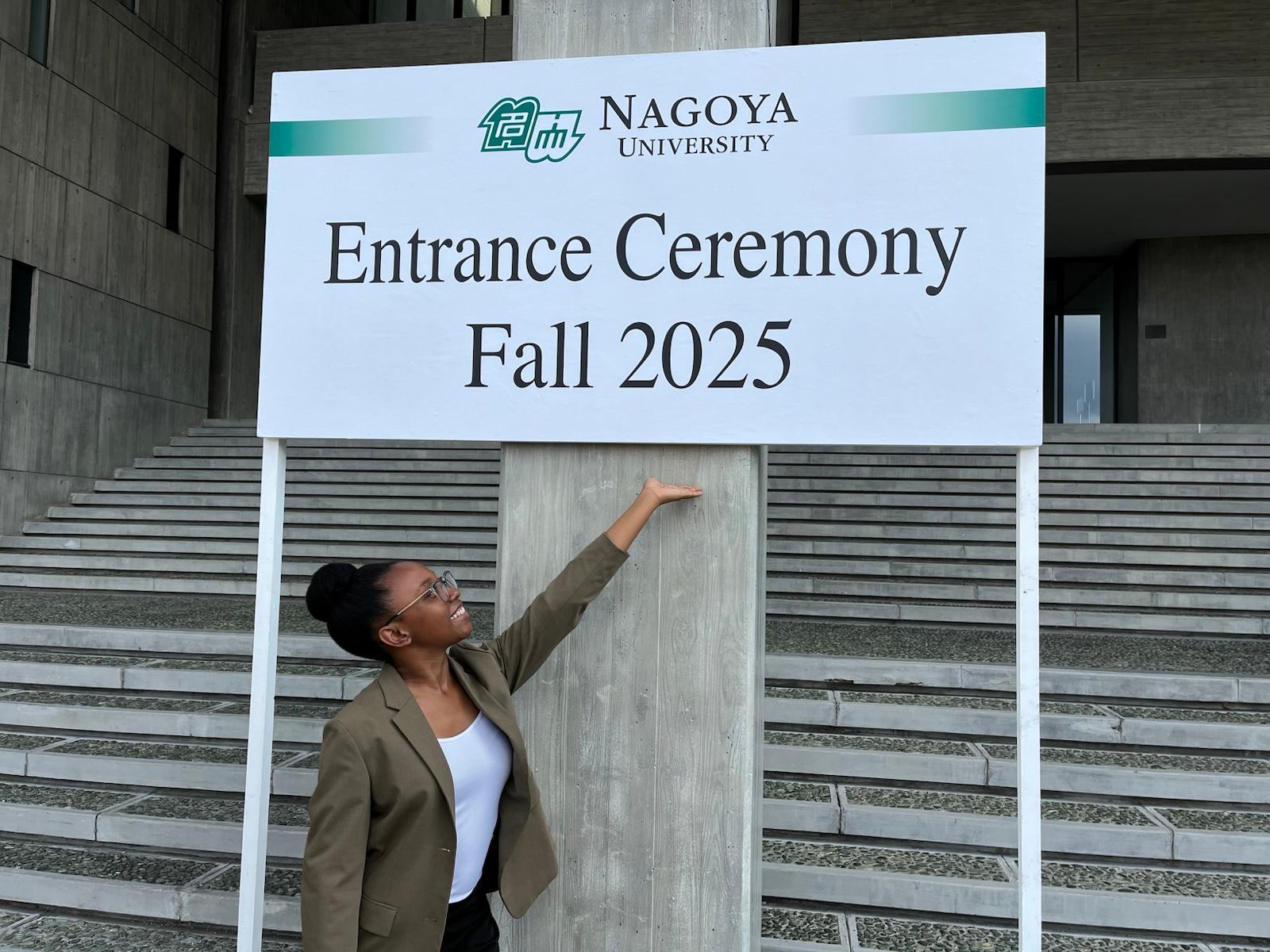
As part of a series highlighting the learning journeys and experiences of JICA long-term training participant enrolled in graduate schools across the Chubu region, we spoke with Ms. BETTERSON Demetra Asisa, a long-term participant from Suriname who entered the Graduate School of Environmental Studies at Nagoya University in October 2025.
She came to Japan as a long-term participant in the SDGs Global Leader Program implemented by JICA.
(Interviewer: JICA Chubu, Training Program Division)
Please introduce yourself.
My name is Demetra Betterson, and I am from Suriname. I have a background in Economics and I am currently pursuing a Master’s degree in Environmental Studies at Nagoya University in Japan.
What expectations or concerns did you have before coming to Japan?
I was mainly concerned about the weather, as I come from a tropical country. I especially worried about adjusting to the cold. At the same time, I came with an open mind, ready to adapt and experience a new environment. Fortunately, I adjusted better than expected.
Why did you choose to study in Japan?
I had been applying for scholarships for several years because I strongly wanted to pursue a fully funded Master’s degree. I was not initially aware of opportunities in Japan, so when this opportunity came, I felt very grateful and excited.
What image did you have of Japan before you arrived?
Before coming, I watched videos and did some research to understand the country. I had heard that people are polite, but experiencing it in real life was very impressive. The people are genuinely kind and respectful.
What surprised you or left a strong impression on you about life in Japan?
What impressed me most is the strong sense of order and organization in daily life. At the same time, I was touched by the warmth and energy of people during community activities. Through JICA events, I experienced joyful moments of connection, which made me feel truly welcomed and included.
What aspects of Japanese food, culture, or daily life have you come to like?
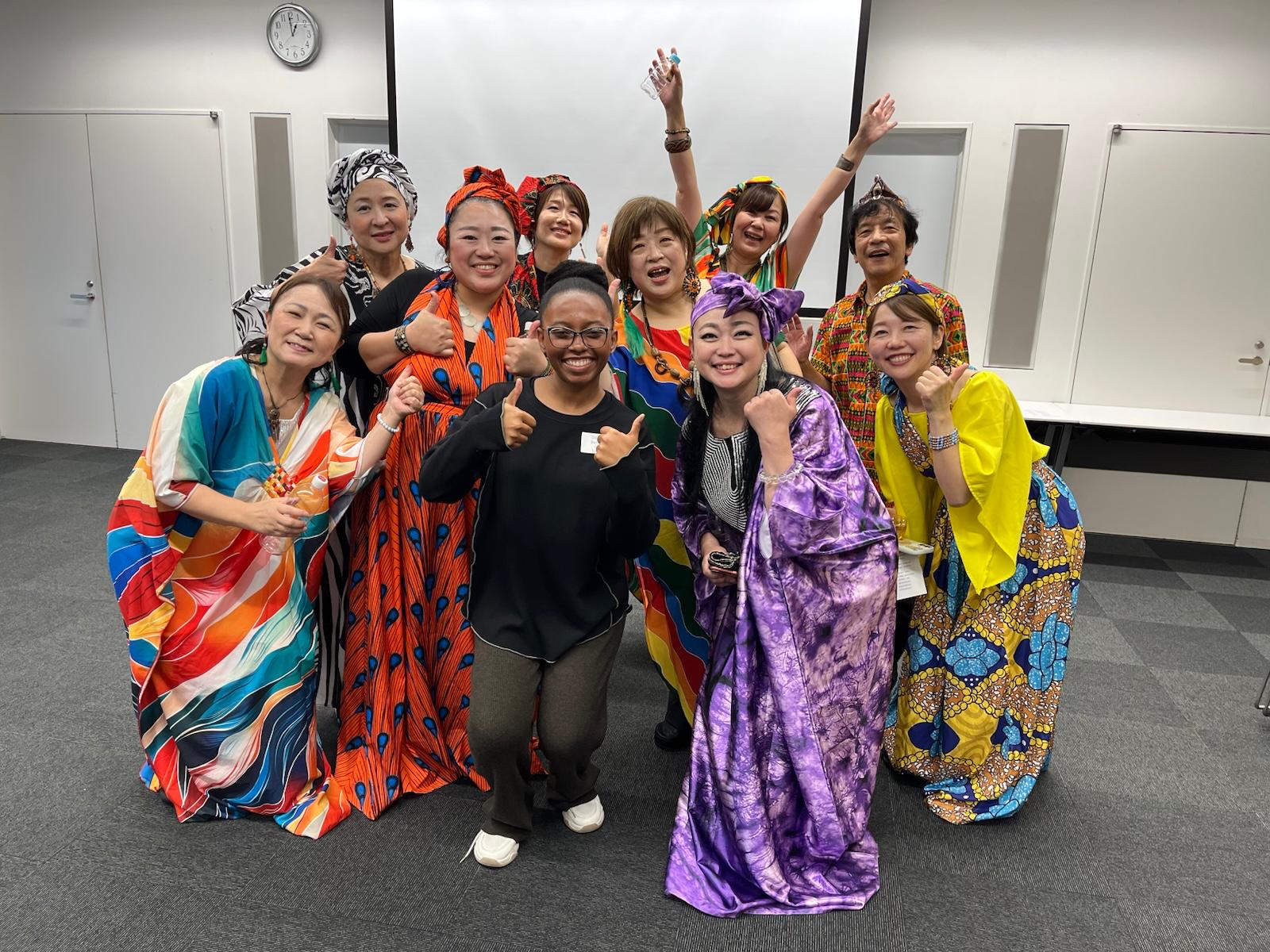
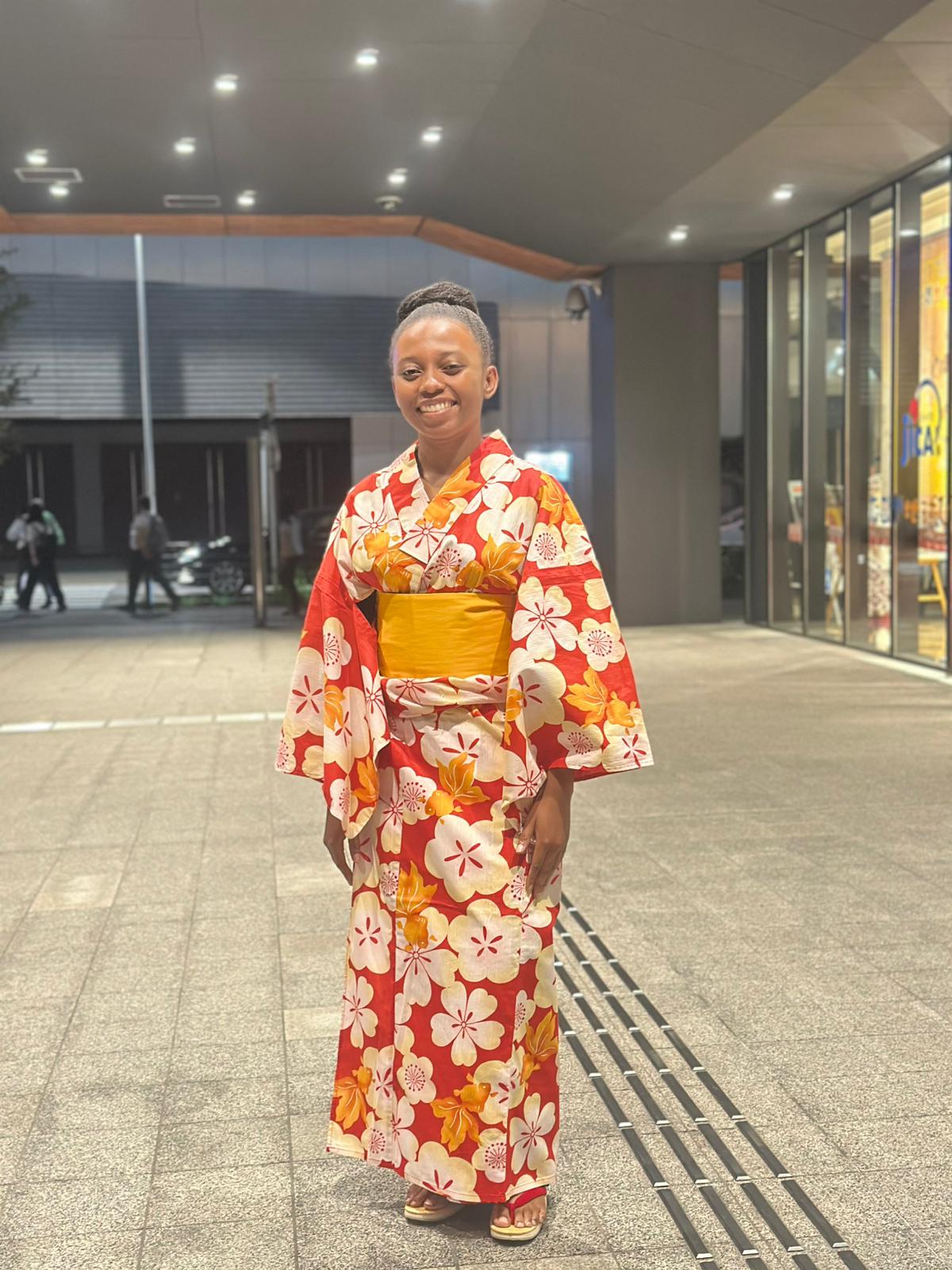
I have come to appreciate the thoughtfulness and order in daily life, from the way people manage waste to the care shown in public spaces. These details reflect a deeper cultural value of respect and attentiveness. I also had the opportunity to experience Japanese culture by wearing traditional clothing. It wasn’t just about the outfit itself, but about stepping into a part of the culture, observing the care and rituals involved, and feeling more connected to the people and traditions around me.
In what ways do you feel you have grown over the past six months?
Over the past six months, I have grown by learning to navigate new challenges on my own, from figuring out daily life in Japan to experimenting with cooking and routines that initially didn’t work. I’ve become more confident stepping into new experiences, whether joining JICA activities, exploring the city, or embracing cultural moments like wearing traditional clothing. These experiences taught me patience, adaptability, and how to approach challenges creatively, turning moments of uncertainty into opportunities to learn and grow.
What impression do you have of the colleagues and classmates you are learning with?
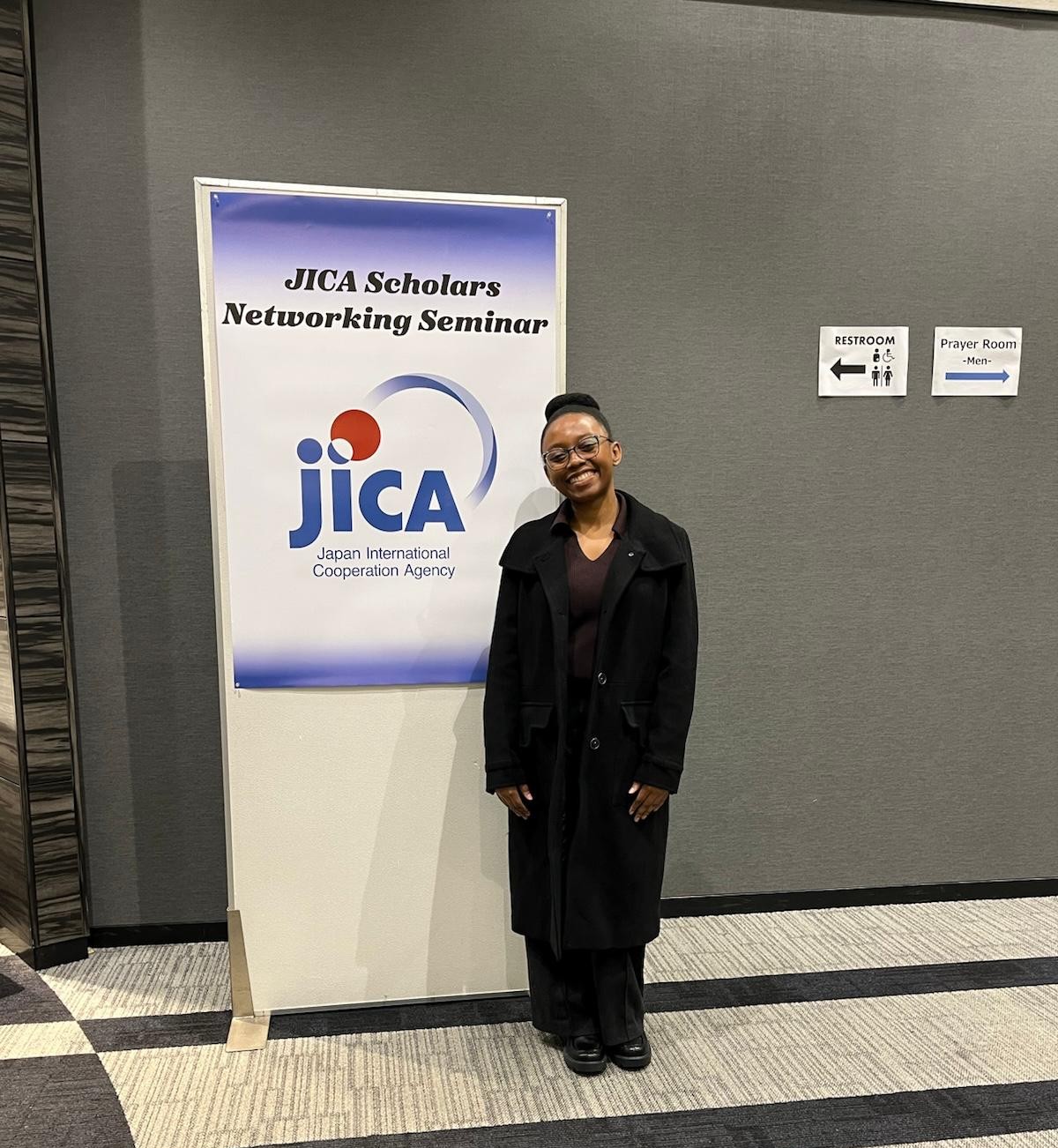
I learn a lot every day from my classmates and colleagues. I admire their creativity and the different ways they approach problems, which broadens my perspective. I also participated in JICA networking events in Tokyo, where I connected with other scholars and professionals, further expanding my understanding beyond the classroom.
How would you like to make use of your experiences in Japan after returning to your home country?
After returning to Suriname, I want to apply my experiences in Japan to contribute to sustainable management projects, both locally and internationally. I am particularly interested in areas such as carbon credit initiatives, environmental policy, and cross-sector collaboration, while remaining open to new opportunities that allow me to make a meaningful impact.
What are your future career or life goals?
I aim to build a career in environmental policy and governance, contributing to sustainable management across sectors in Suriname and internationally. I want to work on projects that challenge me to think differently and solve real-world problems, collaborating with governments, organizations, and communities to create measurable impact.
Do you have any advice for future participants to Japan?
Take your journey one step at a time. Stay curious and open to new experiences. Start learning Japanese early. Even a few words will help you recognize signs, labels, and understand context, allowing you to navigate daily life with more confidence. Through small efforts like asking questions and trying new things, you begin to grow and open doors to new opportunities. You’ll discover strengths and experiences you didn’t expect.
If you have a message for Japan, please feel free to share it.
Japan has given me growth in ways I did not expect, and I am still growing each day. It has given me the space to show myself, to step forward, and to explore who I am becoming. Through the opportunities created, I have been able to connect with other JICA participants, companies, and people from different backgrounds. These experiences have allowed us to learn from one another, exchange perspectives, and grow together. I have also gained guidance from senseis who continue to support and challenge me. Japan has given me more than I expected. It has given me opportunities I recognize now, and even those I may not yet fully see, or that may unfold over time. Beyond that, it has given me warmth, kindness, laughter, and a new way of thinking. One that thrives in quiet strength. For that, I am sincerely grateful.
- 関連リンク JICA留学生の受け入れ
- 関連リンク SDGsグローバルリーダーコース