





【エスニック給食×国際協力!】食を通じて世界を知ろう!/【Connecting with the World Through School Lunches】 Development Education Using Food as a Gateway
2026.04.13







この度、JICA東京は近隣の西原小学校と連携し、「給食」を切り口に世界とつながる開発教育の取組を実施しました。
日々の学校生活に欠かせない「食」を通じて、子どもたちが世界の多様性や国際協力について学ぶ機会となりました。
JICA Tokyo partnered with the nearby Nishihara Elementary School to implement a development education initiative that connects students with the world through school lunches.
By focusing on food, an essential part of students’ daily school lives, this initiative provided children with opportunities to learn about global diversity and international cooperation.
西原小学校6年生では、総合的な学習の時間を中心に「世界を知る」学びに取り組んでいます。同校には、JICA海外協力隊経験を持つ谷口昭子教員も在籍しており、実体験を交えた国際的な視点が、日頃の授業にも活かされています。
「食」は、国や文化の違いを超えて人類に共通する営みです。。
今回の取組では、給食という身近な存在を通して、世界の人々の暮らしや文化への理解を深めるとともに、国際協力や多文化共生について考えることを目的としました。
Sixth-grade students at Nishihara Elementary School have been engaged in “learning about the world” mainly through their Period for Integrated Studies. The school is also home to Ms. Shoko Taniguchi, a teacher with experience as a Japan Overseas Cooperation Volunteer (JOCV). Her firsthand international experiences have been incorporated into daily lessons, offering students a global perspective rooted in real-life practice.“Food” is a shared human experience, regardless of national or cultural differences.
In this initiative, we used the familiar setting of school lunches to help students gain a better understanding of people’s lives and cultures around the world, and to encourage them to think about international cooperation and multicultural coexistence.
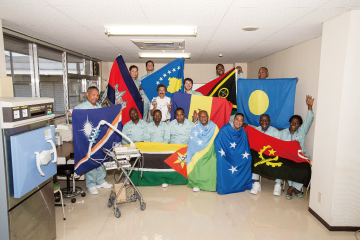
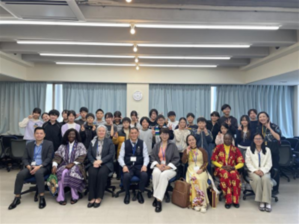
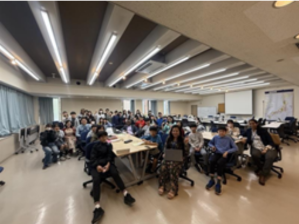
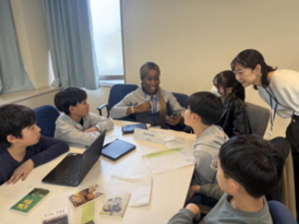
取組の一環として、JICA東京で研修を行っている短期研修員との交流会を2回実施しました。
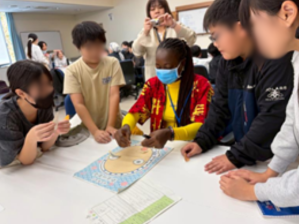
交流会では、小学生たちが研修員に対して、出身国の食文化と調理方法、言語や趣味などについて、学校で練習してきた英語で質問を行いました。
初めは緊張した様子も見られましたが、研修員が優しく応じることで、次第に打ち解け、積極的にコミュニケーションを取る姿が印象的でした。
教科書だけでは学べない「生きた英語」や「世界とのつながり」を体感する貴重な機会となりました。
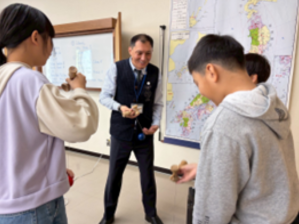
また、交流の中では、研修員に対して日本文化の紹介(日本の遊び、折り紙、ひらがな紹介、紙芝居、福笑い、けん玉など)も行われ、双方向の学びの場となりました。
As part of the initiative, two exchange sessions were held with JICA KCCP participants currently undergoing training at JICA Tokyo.
During the sessions, students asked the participants questions—in English, which they had practiced at school—about food cultures and cooking methods in their home countries, as well as languages and hobbies.
Although the students appeared nervous at first, the warm and friendly responses from the participants gradually helped ease the atmosphere. The students became increasingly engaged and proactive in communication. The sessions provided a valuable opportunity to experience “living English” and a tangible connection to the wider world—learning that cannot be gained from textbooks alone.
In addition, the students introduced aspects of Japanese culture to the participants, including traditional children’s games, origami, hiragana, paper storytelling (kamishibai), fukuwarai, and kendama. These activities fostered a mutual learning environment and genuine two-way exchange.
今回の取組では、計3回にわたりエスニック給食を導入しました。
献立は、西原小学校6年生が上記の交流会や授業を通して調べ、「給食にしたい世界の料理」として考案した内容をもとに提供されています。
As part of the initiative, three ethnic school lunch events were held.
The menus were based on ideas developed by sixth-grade students, who researched world cuisines through lessons and exchange sessions and proposed dishes they wanted to include as “world cuisines for school lunches.”
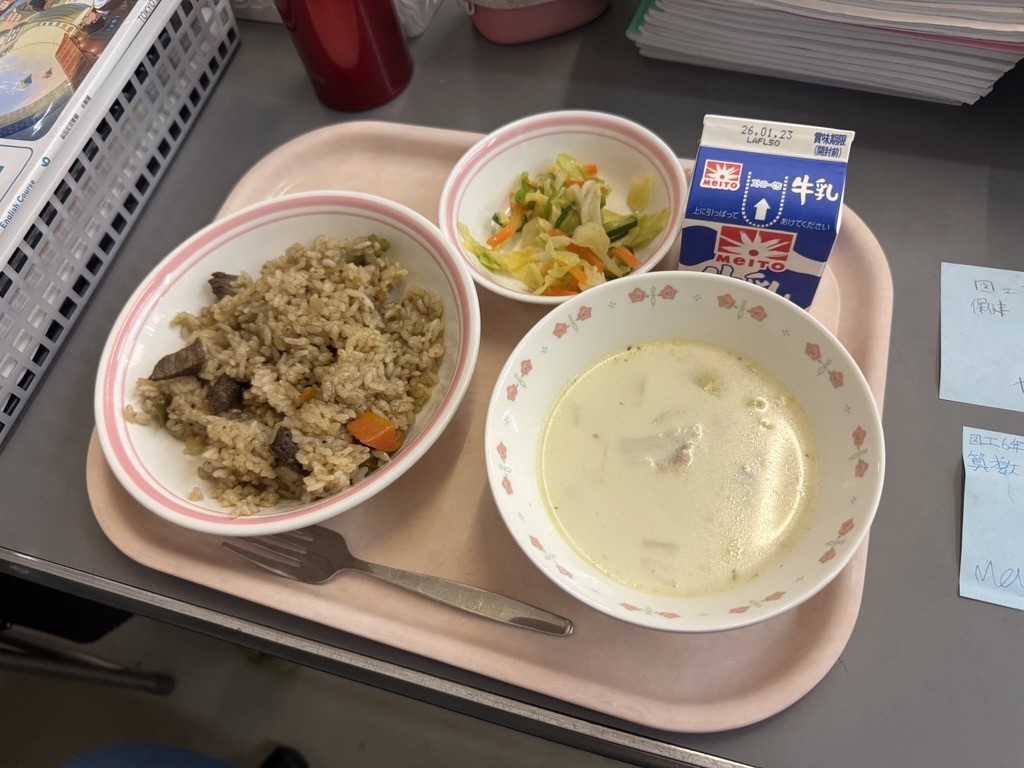
第1回(1月):ガーナ
First Session (January): Ghana
第1回目は、西アフリカ・ガーナをテーマとした給食を実施しました。
ガーナなど西アフリカ地域で広く食べられているジョロフライスを主食として提供し、トマトやスパイスを使った味付けを通じて、アフリカの食文化に触れました。
The first session focused on Ghana in West Africa.
Jollof rice, a staple widely eaten across West Africa, was served as the main dish. Through its tomato-based seasoning and use of spices, students experienced African food culture firsthand.
第2回(2月):タイ・ベトナム
Second Session (February): Thailand and Vietnam
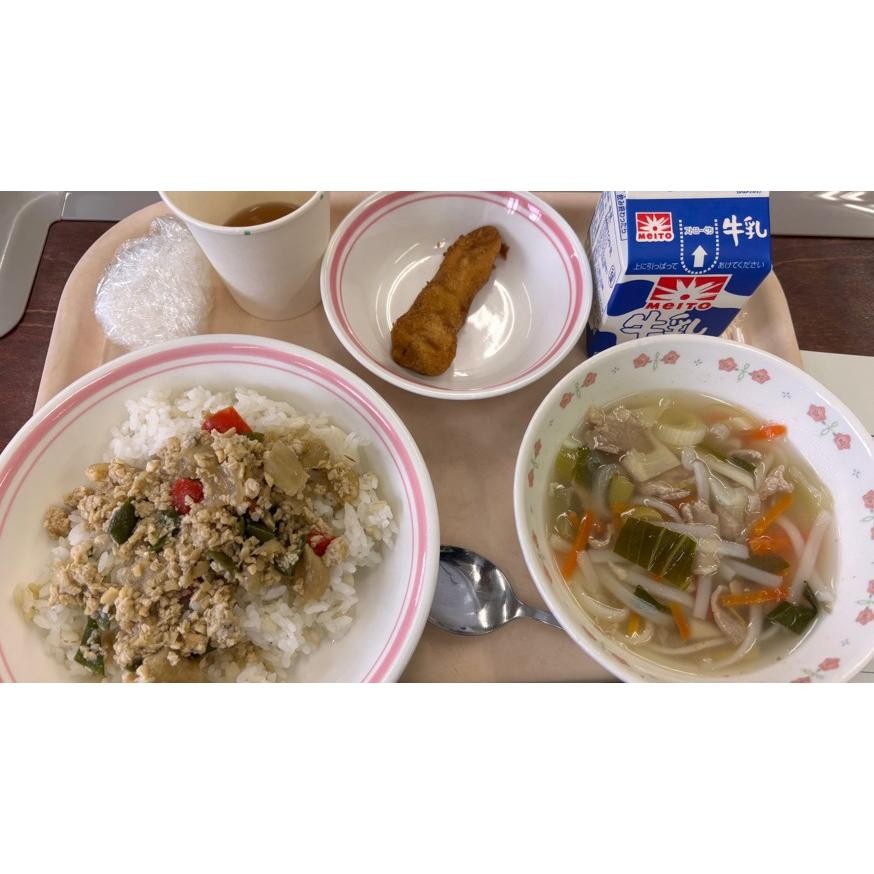
第2回目は、アジア地域に焦点を当て、タイとベトナムの料理を取り入れました。
タイのガパオライス、クルアイトート(揚げバナナ)、ベトナムのフォーを提供し、同じアジアでも国によって食文化が大きく異なることを学びました。
The second session highlighted Asia, featuring dishes from Thailand and Vietnam.
Students enjoyed Thai gapao rice, kruai tod (fried banana), and Vietnamese pho, learning that even within Asia, food cultures vary greatly by country.
第3回(3月):スリランカ・トルコ・ルーマニア
Third Session (March): Sri Lanka, Turkey, and Romania
第3回目は、スリランカ、トルコ、ルーマニアの料理をテーマとした給食を実施しました。スリランカのイエローライス、トルコのレンティルスープ、ルーマニアのミティティを提供し、南アジア・中東・東欧といった異なる地域の食文化を一度に体験しました。
The third session introduced cuisines from Sri Lanka, Turkey, and Romania.
Students tasted Sri Lankan yellow rice, Turkish lentil soup, and Romanian mititei, allowing them to experience food cultures from South Asia, the Middle East, and Eastern Europe all at once.
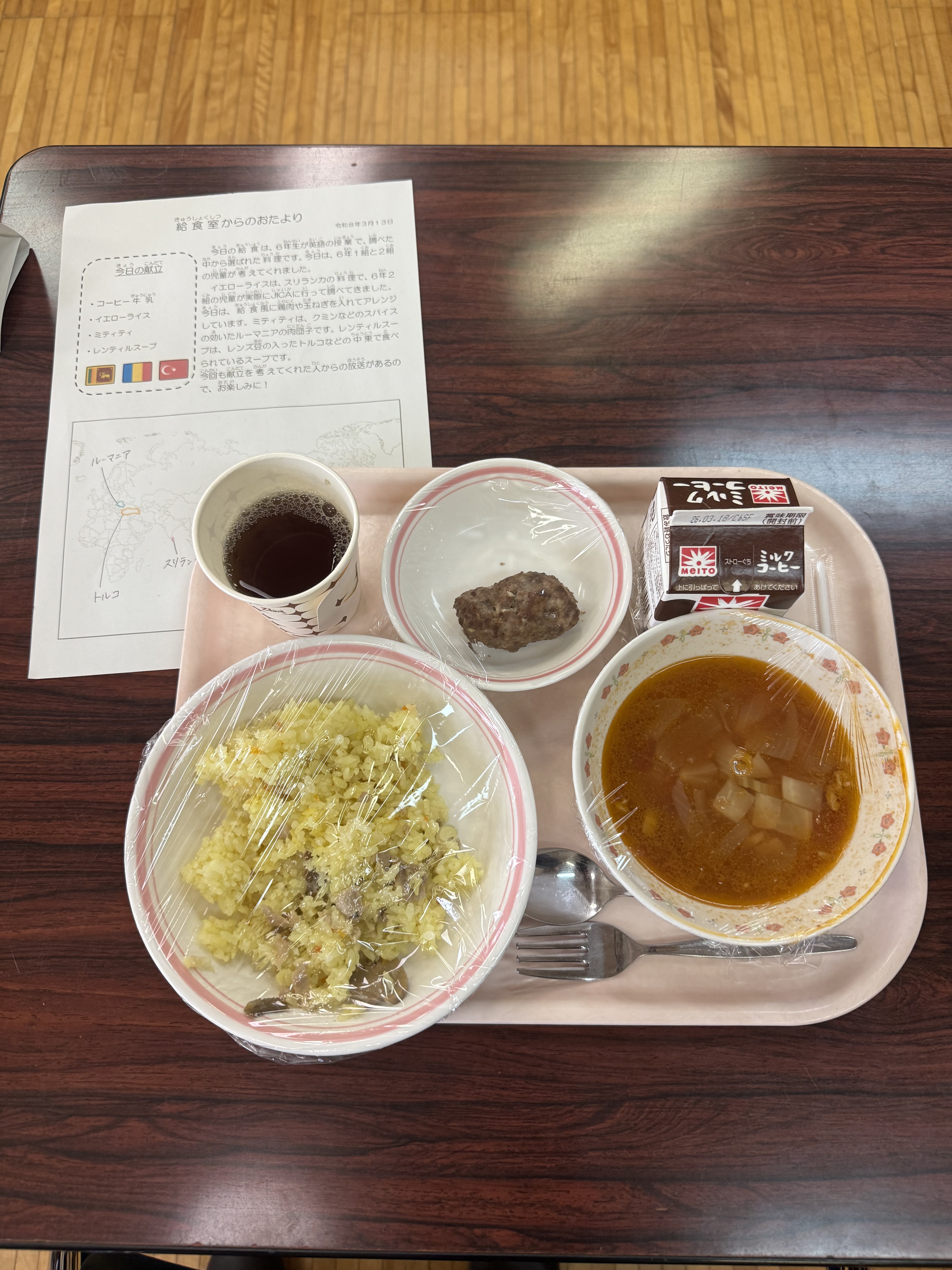
すべての給食時間には、料理の背景や国の紹介についての校内放送が行われ、児童たちが各国の暮らしや人々に関心を持つきっかけとなりました。
During every lunch event, school-wide broadcasts introduced the featured countries and the background of the dishes, helping spark students’ interest in the lives and cultures of people around the world.
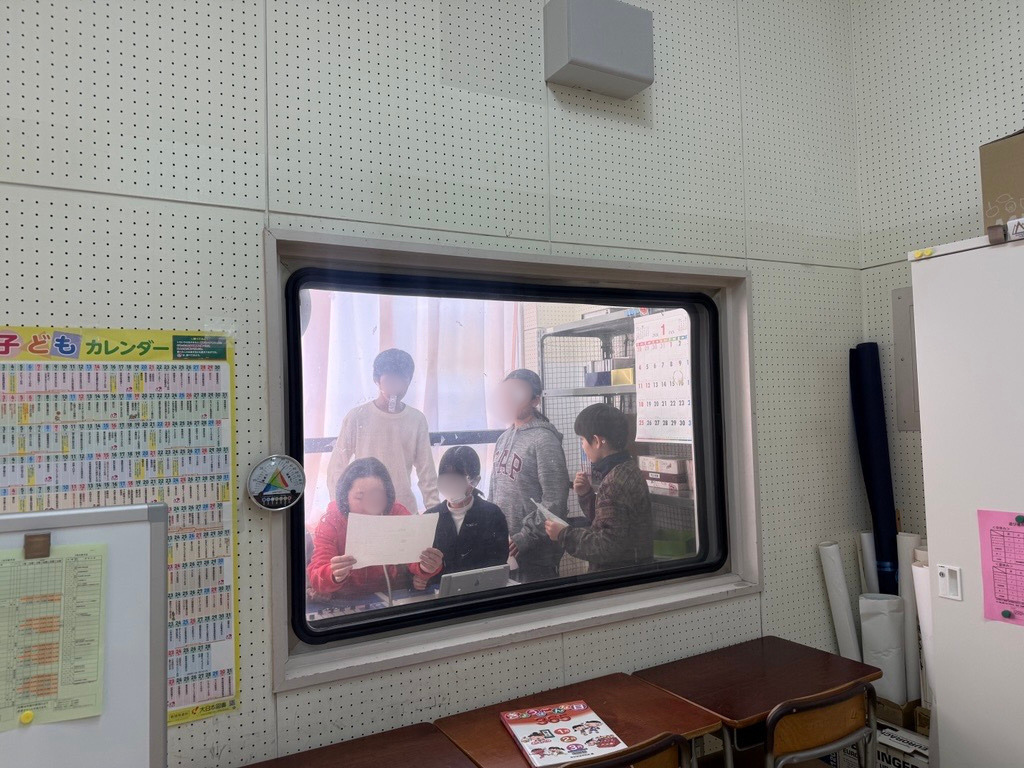
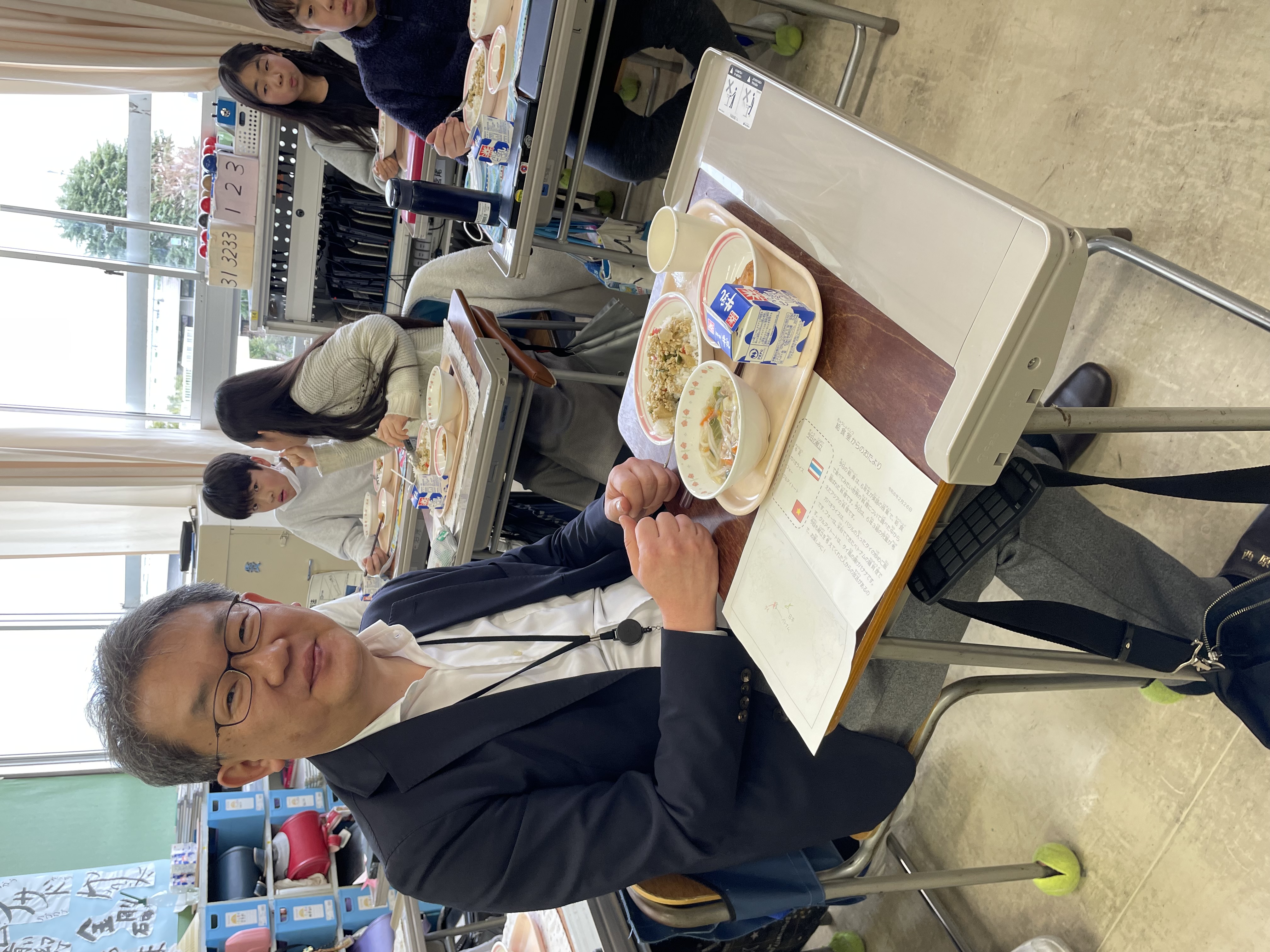
また、給食の時間には、延べ13名のJICA職員が学校を訪問し、駐在先や派遣先での経験や普段の業務内容などについて児童に紹介しました。
これらの取組により、「食べて終わり」ではなく、学びにつながる給食が実現しました。
In addition, a total of 13 JICA staff members visited the school during lunch hours to share their experiences from overseas postings and explain their daily work related to international cooperation.
Through these efforts, school lunches became not just meals, but meaningful learning opportunities.
さらに、給食後には小学校6年生の社会科授業において、JICA職員による出前講座を実施し、あわせて元協力隊教員によるJICA海外協力隊の体験談が共有されるなど、食と国際協力を結びつけた学びが深まりました。
After lunch, outreach lectures by JICA staff were conducted during sixth-grade social studies classes. Former JOCV teacher Ms. Taniguchi also shared her experiences as a volunteer, further deepening students’ understanding of the connection between food and international cooperation.
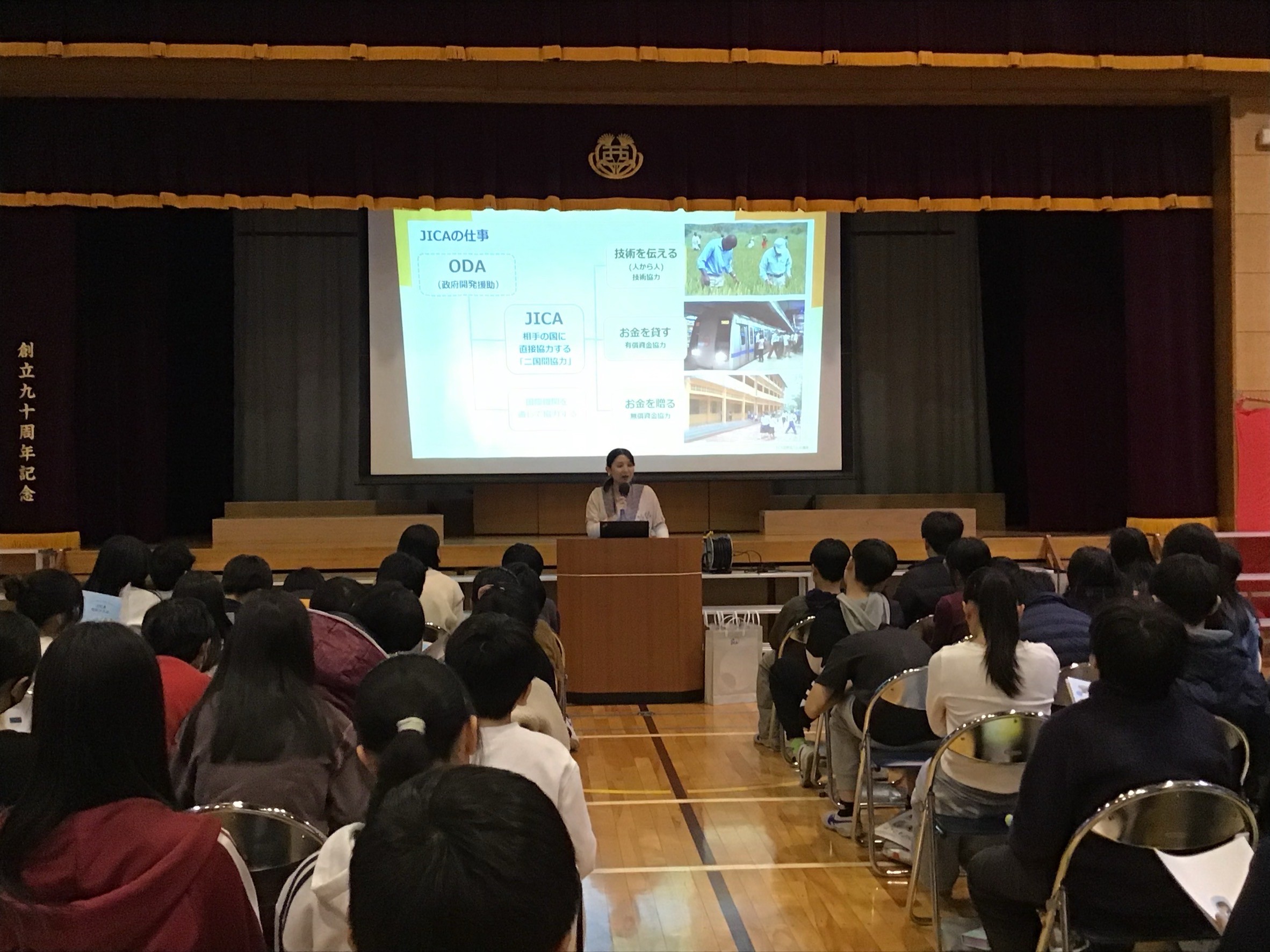
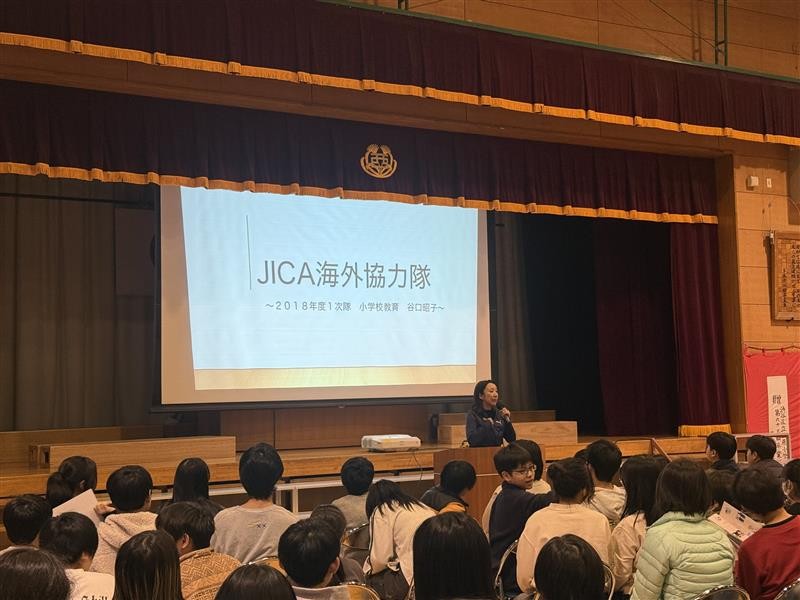
児童からは、「世界にはいろいろな食べ物があることが分かった」「外国の人と話すのは楽しかった」「国が違っても、食べることは同じだと思った」といった声が聞かれました。
食を通じて世界を知ることで、遠い存在だった「外国」や「国際協力」が、
自分たちの生活とつながる身近なものとして感じられるようになったようです。
本取組を通じて、「食」という人類共通のテーマを通じて、児童がさまざまな国について知るきっかけを創出でき、さらに研修員にとっても日本の文化や教育現場を知る貴重な経験となりました。
JICA東京では、今後も地域や学校と連携しながら、子どもたちが世界に目を向け、国際協力を自分ごととして捉えるきっかけづくりに取り組んでいきます。
Students shared reflections such as:“I learned that there are many kinds of food around the world.”“It was fun talking with people from other countries.”“Even though countries are different, eating is something everyone does.”
By learning about the world through food, concepts such as “foreign countries” and “international cooperation,” which once felt distant, became more relatable and personal.
Through this initiative, food—a universal human theme—became a powerful tool for helping children learn about different countries. At the same time, the experience provided JICA KCCP participants with a valuable opportunity to learn about Japanese culture and the Japanese education system.
JICA Tokyo will continue to work closely with local communities and schools to encourage children to look beyond borders and consider international cooperation as something connected to their own lives.
\SNSでシェア!/


